Loading
0%

Your Cart

Stress Relief Yoga

E-Learning Materials

Stress Relief Yoga

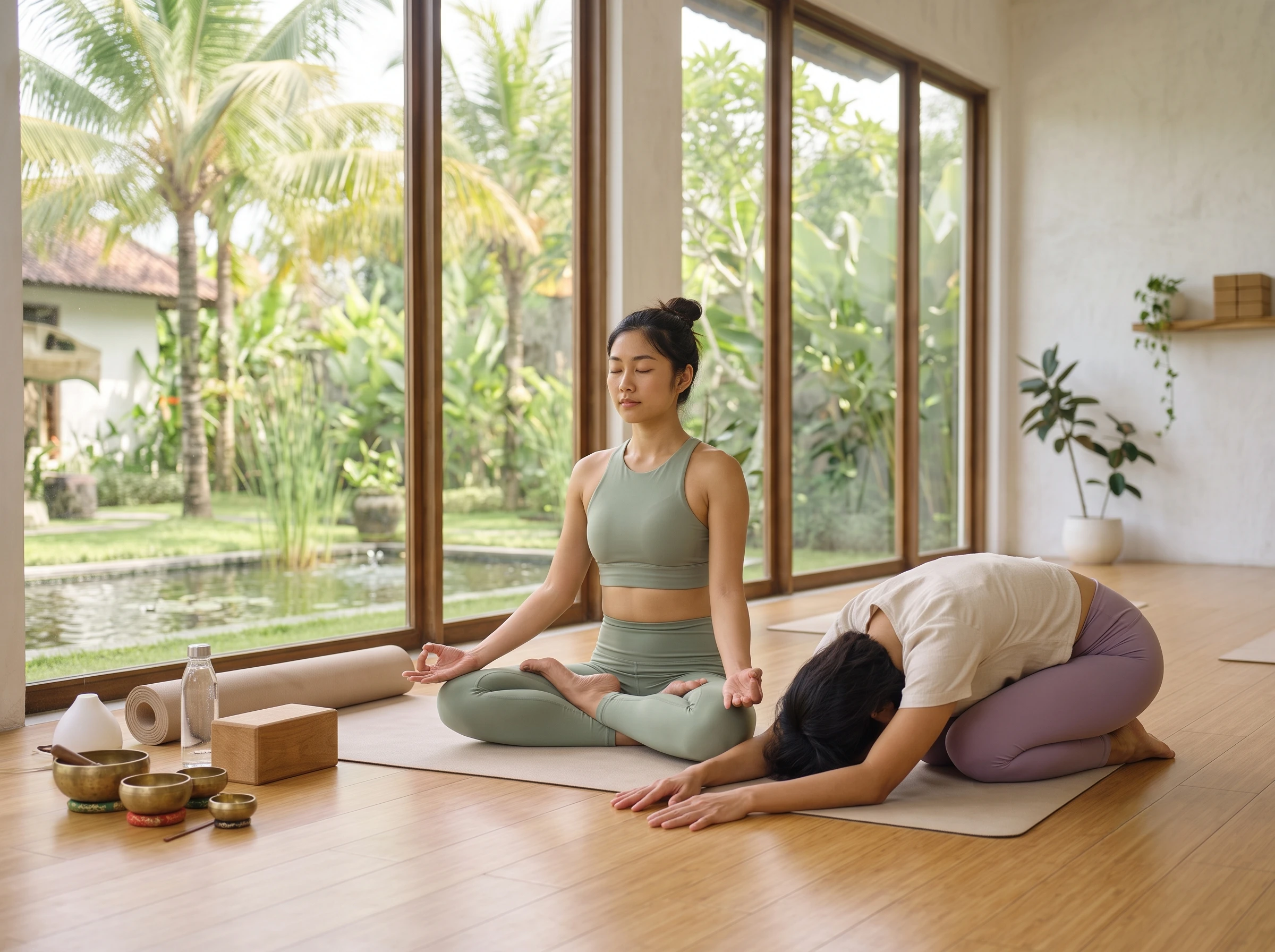
Slow, quiet yoga for tense weeks. Calming postures, breathing work and relaxation practices are explained in a way that eases tight muscles and a busy head, supporting steadier moods, better sleep and a sense of balance that lasts.

From 199 CREDITS
Get Access
Stress Relief Yoga

Material Overview

Tension shows up in the body long before anyone notices it, which is where this reading starts. It covers gentle postures, breathing exercises, mindfulness, meditation, restorative positions and the art of slowing down on purpose. You will read how regular practice eases anxiety, releases held tension, improves sleep quality and steadies your mood, and how to put together short routines for evenings, difficult days and the stretches when rest matters most.

Select Your Level

Level · Beginner
Purpose

Tension settles in the body before anybody notices it. This level starts there, with quiet postures and slow breathing that release held tightness rather than adding another demanding thing to the day.

Outcome

You gain a fifteen minute practice for a tense evening, a breathing pattern you can use at a desk without anybody noticing, and a reliable way to unwind in the hour before sleep.

What You'll Learn

  • Where tension usually sits in the neck, jaw and shoulders, supported resting postures, slow breathing with a longer exhale, a short sequence for the end of a working day, and how to lie down properly for rest
Credits 199 CREDITS
Level · Intermediate
Purpose

Relief on a bad evening is useful; resilience across a bad month is better. This level builds the longer practices and the steadier attention that make difficult periods easier to carry.

Outcome

Over time you can sit with a longer meditation without restlessness, notice strain early enough to act on it, and hold a calming practice in place during the weeks you would normally drop it.

What You'll Learn

  • Longer restorative holds with props, guided meditation of increasing length, breathing practices with counted ratios, a sequence for broken sleep, noticing early signs of strain, and keeping a practice going through a demanding week
Credits 378 CREDITS
Level · Advanced
Purpose

Calm becomes a skill rather than a relief at this point. The level lengthens every practice and turns attention inward, working with the restlessness that usually appears once the body has already settled.

Outcome

The end point is a practice you can hold for a full hour, a reliable way down from a badly stressed evening, and enough self knowledge to notice tension building days before it peaks.

What You'll Learn

  • Long supported holds of ten minutes or more, guided deep relaxation lying down, counted breath ratios, meditation extended towards half an hour, keeping a simple record of your state, and practising on genuinely difficult days
Credits 793 CREDITS
Level · Expert
Purpose

Understanding why any of this works is the concern here. The material explains the stress response in the body, and how a calming practice has to be altered for anxiety, grief, poor sleep or a history of injury.

Outcome

You should come out able to explain what a calming practice does and does not change, adapt it for somebody whose situation is not straightforward, and recognise clearly when it is not the right help.

What You'll Learn

  • The physiology of the stress response, what sleep research actually supports, adapting a practice for anxiety or low mood, care around difficult personal history, when somebody should see a clinician, and sequencing for a mixed group
Credits 978 CREDITS